There are many conditions out there that can and can’t be caused by, or fixed by, our food intake. This isn’t a place where I can cover them all, and I’m not a medic or medically trained, so I’m not even going there, however I thought it might be useful to some, to relay my experience of being diagnosed with Type 2 diabetes as it gave me a really good understanding on what effect the things we eat can have on our bodies, and how some simple changes can turn things around, and explain how I’ve used what I’ve learnt for Crafty Cook, as well as myself, and it might give you a few ideas too.
All the best,
Karen T
Pic 1 – Nov 2023 – Pic 2 – Oct 25
1 2
2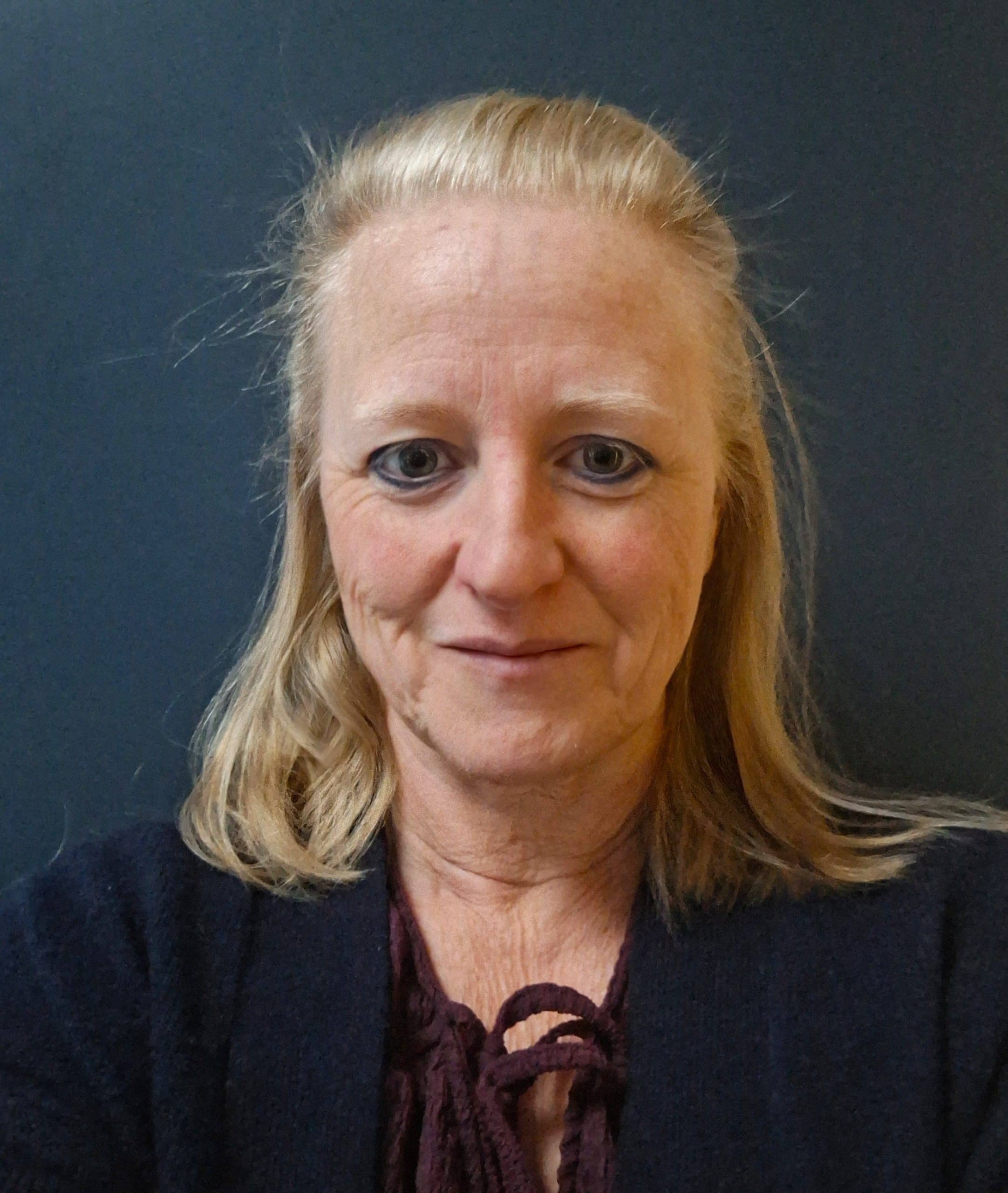
The Background
In Nov 24 I went to the doctors for my over 50’s health check, I had bloods done, was asked the usual questions about weight, height, activity levels, drinking, smoking etc and sent on my way.
I went back for the results of the blood tests a week later, and they showed that my blood sugars were slightly raised, and my cholesterol was a little high too. The advice I was given was to eat foods which had the word “whole” in the title, such as wholewheat pasta, wholemeal bread etc. Cut down on high fat, sugar and carbs – so things like sugar in tea or coffee, alcohol, cake, crisps and white potato and come back in 3 months for another test.
So, off I went over Christmas, I did my best to be thoughtful about what I ate, and I ate less (I don’t drink much alcohol anyway so I didn’t need to really change anything there, and I’ve not had sugar in tea and coffee since I was 13), as a family, we swapped white potato for sweet potato and white bread for brown, ate more fruit and less Jelly Babies (my guilty pleasure).
Fast forward to the end of April 25 (ooops, it took a little longer than planned to get back to the Dr’s!) and I had another blood test. I’d lost half a stone – Yay!
A week later I returned to the nurse to be told that although my cholesterol had come down, my bloods had risen and I was now classed as a Type 2 diabetic, they were putting me on a new programme called TDR and I was to take Metformin while I was waiting to start it. No discussion, no explanation, just this is what’s going to happen matter of fact, and no further opportunity to make a change properly myself first. I just didn’t understand why I had Type 2 Diabetes.
My head was spinning. I had so many questions.
- How can I have Type 2 diabetes?
- What’s the difference between Type 1 and Type 2?
- I have NO symptoms (apart from being a little overweight – probably from the Jelly Babies), and
- Why wasn’t “diabetes” or “pre-diabetes” discussed when the original blood results were given, I might have taken things a little more seriously?
I’m not a number geek, but I felt I needed some numbers…
- What number means you’re diabetic, and what’s not?
- What number is pre-diabetic?
- What number was I at?
- How come losing weight made my sugars increase, what did they increase to?
- How can I change things quickly without the need for drugs for the rest of my life?
Within a week of visiting for results and being referred onto the TDR programme (more about this shortly) I really looked at what I was eating; but more importantly found the answers to some of the questions I had, to help make some of this make sense.
So, let’s start answering some of these questions.
There is an awful lot of information on the internet that is readily available to help (such as www.diabetes.org.uk and www.nhs.co.uk) sometimes they can be a little confusing, especially when your head is all over the place. Hopefully this will make it all a little easier to understand.
The Difference between Type 1 and Type 2.
Type 1 Diabetes is a condition where the body doesn’t make any insulin at all.
– There is no known cause as to why this happens to some people.
– There is currently no cure.
– Treatment involves counting the carbohydrate you eat and drink, and balance this with doses of insulin, as well as being active, eating healthily and having regular check-ups.
Type 2 Diabetes is where your body is unable to make enough insulin or the insulin you do make doesn’t work properly.
- Your age, family history, ethnicity, waist circumference and living with obesity or being overweight are all risk factors.
- Symptoms are easy to miss as they appear more slowly
- Treatment can be either through medication, and a mix of being as active as possible, healthy eating, and having regular check-ups.
- Type 2 cannot be cured, however there is evidence that in many cases it can be prevented and put into remission.
According to www.nhs.co.uk
The most common symptoms of type 2 diabetes are:
- feeling very tired
- peeing more than usual
- feeling thirsty all the time
- losing weight without trying to
Other symptoms can include:
- blurred vision
- cuts or wounds taking longer to heal
- persistent thrush
Some people have a higher risk of developing type 2 diabetes. And therefore you may be more at risk if:
- you’re white and over 40 years old or over 25 years old and from a South Asian, Chinese, Black African or Black Caribbean ethnic background
- a parent, or your brother or sister has it
- you’re overweight and not very physically active
- you have a condition that increases your risk, such as high blood pressure
Although type 2 diabetes is less common in children, ethnic background, weight, activity and family history can also increase the risk in young people.
And apparently, as well as the symptoms above, you can also get diabetes through anything which might cause you stress: such as work, bereavement, or trauma. Trauma could include surgery, which is how my dad got it 20 years ago, when he had a quadruple heart bypass. I wish I knew then what I know now, I might have been able to help him. He’s not here now, he passed away in Sept 24 after a very short illness… Maybe that was my trauma and the reason I was diagnosed?
Why wasn’t “Diabetes” discussed?
Well only the nurse can answer that I guess. Maybe trying to give me things I can do to change my eating habits and encourage me to lose weight was her way of starting the process. I think I really would have appreciated the word Diabetes being in there somewhere though.
So, Type 2 Diabetes in numbers
When your blood is tested, the lab is testing the average amount of sugar in your blood over the last 2-3 months. HbA1c is the test which gives you the level of blood glucose (glycated haemoglobin) in a sample.
Under 42 is classed as normal
Between 42 – 47 is classed as pre-diabetic with a high risk of developing diabetes mellitus
48 + is classed as diabetic
There are other ways of measuring the glucose in your blood, such as the finger pricking test strips and urine tests. These all become part and parcel of life with diabetes… but for now I’m going to focus on the big numbers…
My personal HbA1c readings.
My 1st test was 55, hence the chat about food with the nurse back in Nov 24 as I was over the 48 limit.
My 2nd test 4 months later, and after losing half a stone, was 56 hence the “we’re putting you on this programme to see if we can reverse it”.
What did I do next?
So, although ecstatic that I’d lost half a stone at that second meeting, I was disappointed that my sugars had risen. I needed to make more of an effort. I found out some more about what this programme entailed and what could I do before starting it, to get myself ready?
So I started to
- Eat less – smaller meals (e.g. pre-cooked packets of chicken, hard boiled eggs, lots of veg, salad etc) and for me, making sure I have something for breakfast and nothing much after my evening meal.
- Drink lots more water/liquids (not alcohol) but about 2-3 litres a day. Inc sugar free/no added sugar drinks.
- Cut out as much sugary products as I can, (including the jelly babies – ☹)
- Cut out lots of carbs which turn to sugar in your body when you’re not exercising enough to use all the calories so… no bread, no baked or other potatoes, no white pasta, no white rice, no crisps, no cake etc.
And ooops again, I specifically didn’t pick up my tablets, so haven’t had any Metformin at all.
I had found out that it was going to be a very tough few months ahead. I very quickly had a call from the company that I had been referred to, so I knew when my start date was – 29th May 25. (Another reason that I didn’t start the tablets, as it was only a couple of weeks away.)
By the time this date came around (4 weeks later) I had lost a total of 10kg on my own. WOW! (1 and a 1/2 stone), my clothes were feeling a little baggier and I was finding it easier already climbing the 69 stairs up to the 3rd floor here at Moss Mill where our unit is & I noticeably wasn’t out of breath climbing the 6 steps at the top of our road when taking the dog for a walk. Happy Days!
If you consider the nutrition information coming later and are just looking at losing weight, or understand a little more about the food we eat and how to keep it in balance, maybe you have a family member you can support, the next bit of info around the TDR programme isn’t going to be helpful, but I did say I’d give some info about it.
The TDR programme.
I’m not at all suggesting that you do this unless referred. This was my path, and not the right one for everyone.
TDR is for Total Diet Replacement – Its radical (and I mean TOTALLY RADICAL) …. Its not for the feint hearted, and you need a ton of willpower (and a very supportive and understanding family). It’s definitely not for everyone. There is criteria that you need to meet (although not sure what it is specifically), and your nurse practitioner will have to refer you. The full programme lasts for 12 months. Its funded by the NHS with a view that it will cost them less in the long run if they put some support in early.
The idea being that they remove all forms of food and replace it with 7 nutritionally balanced sachets of different drinks and meals which total to around 8-900 calories a day, which you then supplement with 1.5 litres of liquid (no alcohol allowed) and 50mls of milk so you can have a brew or two. After the first 12 weeks they slowly wean you off the sachets and reintroduce normal food back into your diet, giving easy to follow ways of ensuring you’re eating the right types of food, the right size meals and managing your glucose and weight levels for yourself. You have an online app to use, a coach who you meet and chat with over Teams every few weeks to begin with and then monthly throughout the rest of the programme. They send you a blood testing kit to use at home and some digital scales. They pay for the TDR meal sachets for the first 16 weeks until you no longer need them for the programme.
I’ve been on programme now for 10 months. At my lowest weight I had lost 4 stone (about 25kg) in total. I’ve put about 5kg back on again, but my body has now seemed to have found its new normal. I’ve dropped 2-3 dress sizes and had to buy a whole new wardrobe 😊. I’m also swimming 3x a week again now and don’t get out of breath when we take the dog for a walk in the hills around Rochdale or climb those 69 stairs to our 3rd floor unit. If I see that my weight is increasing I know what to do to get it back down again without getting stressed about it. I’m not obsessed about standing on the scales, I just do it at the same time in a morning, a couple of times a week. I check my own bloods every few weeks with the finger prick testing kit (You need to have a reading of between 5 and 7 on the monitor) and then full blood tests at the Drs will commence every 6 months for as long as they need to do them.
My 3rd test for HbA1c in August ’25, at the end of the first 12 weeks, had come down to 47 which is under the diabetic range, however still top of the pre-diabetic section – so technically I have reversed my diabetes and it’s now in remission. My aim is to get it below the pre-diabetic level.
My 4th HbA1c results (March 26) are even lower at 43 😊 which is just above the pre-diabetic range, so I still need to do a little more for a little longer to bring it under the 42 mark. I am proof that it can be done. I know I had a little help (by being on the TDR products) but I think I could have done it, with a little longer time, by myself.
Throughout the programme, the App they log you into, has been giving me lots of useful information that I’ve taken on board, used both at home and with Crafty Cook, and it makes sense.
I’d like to pass some of this info onto you, in the hope that it will help you to understand how you can help a family members diagnosis, change some of the things you and your family eat, be aware of portion size and how to chose foods that work well together in the quantities that will help you become a much healthier and energised person in the future.
Related Posts:
- Focus on Carbohydrates – (its a long one, but worth a read!) and includes looking at Sugars
- Focus on Salt (coming soon)
- Focus on Fats and Saturated Fats (coming soon)
- Focus on Protein and Fibre (Coming soon)
- Creating balanced meals on the right sized plates (coming soon)
- How do we calculate the nutritional values for Crafty Cook Products

